
An Essay by Eric Picard
I experienced a traumatic event that would change my life back in 2017. I tore the inner lining of my abdominal aorta, a condition known as an abdominal aortic dissection. To put it simply, the inner lining of your major arteries is a bit softer than the exterior, and for some inexplicable reason, I got a tiny tear in that lining. The blood pushed against the tear, opening it up and creating a second path for blood between the two layers of the blood vessel — stretching all the way from my kidneys down into the upper part of my right leg.
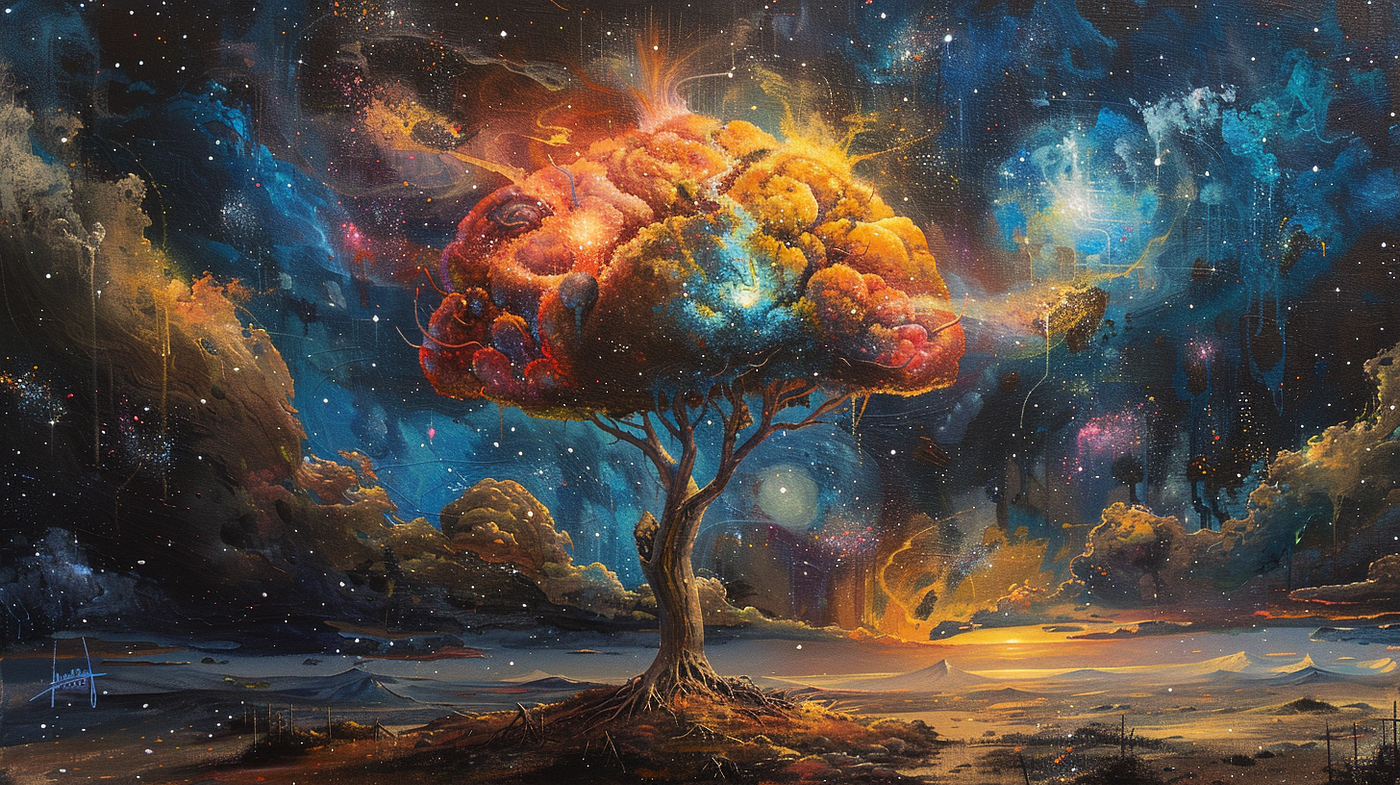
Now, let me put this into perspective: aortic dissections are not good. Famously, that’s how John Ritter died. About 70% of people don’t make it past the first few hours, and 80% within the first two years. So, yes, it’s serious stuff.
The happy outcome of this story is that I got to see the best vascular surgeon in the world, and he gave me the very technical prognosis of, “You’re fine. Take aspirin for a month, and things will be back to normal.” In summary, I’m an anomaly. I’m very healthy, have low blood pressure, no arterial health issues, and really good numbers overall. I need to go back once a year for scans, and I haven’t had any problems with my abdominal aortic dissection.
Fast forward a few years, and all was well. Covid came, and we all locked down. I left my job in Oakland and moved home to Newport, RI full-time in January of 2020. That summer, I had the most wonderful summer happening of all time. I had the summer off, was writing a novel, and had a lot of free time with my kids. It was idyllic.
Then, during a walk in July — ironically, nearly to the day three years after my aortic dissection — I was out for a walk with my wife. We were having a “spirited discussion” (those of you who are married know what that means), and we finished our walk in silence. It was a sultry, heavy day. When we got home, we sat in our backyard, and my wife fell asleep on a bench.
As I sat there stewing — both from the argument and the oppressive heat — my head got really fuzzy, and I heard a rushing in my ears. I could hear the blood pounding in my right ear, and I could feel each beat of my heart. I fell into a deeply meditative state. And as I sat there, I had an epiphany. I suddenly understood the entire universe. I mean, I had a real moment of clarity. I felt extremely connected to all people, everywhere.

It was an incredible moment — I saw myself in a way I never had before. I saw all my anxieties, fears, and issues. Amazingly, I knew what I needed to do to address my shortcomings. I looked over at my wife, who was still asleep, and I loved her in a way I had never loved another person. It was truly amazing.
After a little while, my wife woke up, and I told her about my epiphany and how much I loved her. I told her I was going to work to be a better man. I was exhausted; it felt like the epiphany had wiped me out. I went upstairs and slept for several hours — and I don’t nap.
Over the next couple of weeks, I really worked hard on myself. I kept needing to nap a lot and felt super tired, but I spent time meditating and working on myself. I was prepping for job interviews and genuinely happy. Maybe too happy. I was downright gregarious. I was walking up to strangers, striking up conversations, and telling them deeply personal things about myself. None of this was normal for me. I’m generally not overly effusive and don’t generally strike up deep conversations with homeless people.
Then, about two weeks later, I was in the middle of a job interview on Zoom for a job I really wanted. I was super excited. The interviewer finished telling me about the job, and I went to talk. I had so many things I wanted to say about why I was perfect for the job, but suddenly, I couldn’t talk. Well, I could talk, but I was freezing up on every third or fourth word. Not for long, just a second or two, but I literally couldn’t talk. It was as if I was getting stuck and really couldn’t get the words out.
I thought that I’d had a panic attack. I paused the interview, asked if we could reschedule, shut off Zoom, and melted down. I was exhausted and crawled into bed, barely able to stand. An hour later, my wife came up and asked if I wanted to go to the beach. We do that every night in the summertime, so I threw on a bathing suit, and we went to the beach. I wasn’t trying to talk to her because I was so tired and embarrassed about having a panic attack during an interview.
When we got to the beach, we walked into the water, and I floated on the waves. Our neighbor Walter swam by and stopped to chat. I realized as I was trying to engage in the conversation that I was having the same experience. I was losing words, having long pauses. I knew what word I wanted to say, but I couldn’t get it out. It was like a stutter.
I signaled to my wife that I wanted to go, and we started walking back to the car. Suddenly, I couldn’t move my left leg properly. I told her what was going on, and we realized we needed to go to the ER.
Needless to say, I was scared. It was during Covid, but they let my wife come in since I could barely speak. They assumed I was having a stroke and gave me some medication, rushing me up to get a CT scan. I kind of passed out during the scan, and they got me back down to the ER and left me in bed. Suddenly, I felt much better — back to normal.
About five minutes later, the ER doctor came back in and said, “Well, you look like you’re feeling much better.” I replied, “I feel totally fine now. What the heck was that all about?”
He said, very gravely, “I have to tell you something quite serious. You have had a dissection of your right internal carotid artery.”
To his great surprise, my response was, “Oh! That’s great news! I know all about arterial dissections!”
The doctor looked at me like I was crazy. “Sir, I don’t think you understand how serious this is.”
“Oh, no, I totally understand what it is. And that you’re going to need to do a bunch of tests and all that. But I also know that I’m either going to die really fast from this, or you’re going to send me home and have me take aspirin.”
He continued to look at me like I was crazy. “No, I’m going to send you up to RI Hospital where you’ll get to meet the nice vascular neurologists, and they’ll run all the tests that you need.”
And that’s what we did. I went to RI Hospital for the night. Fun note, they did in fact clear me and send me home and tell me to take aspirin.
After many doctor’s appointments and seeing one of the best vascular neurologists in the world, it became clear that the day I had the ICAD (internal carotid arterial dissection) was the day I think of as “My Epiphany Day.”
You see, it turns out that I didn’t just have an epiphany. I didn’t suddenly see the way the world works or start deeply understanding myself and everyone around me as part of a connected continuum. Or at least it didn’t come just from a breakthrough in thinking. It came about because I had blood flow problems and trauma in my brain from the dissection. It turns out that our Right Brain, which many think of as our creative brain, is also the part of our brain that is tied to empathy and our feelings of being connected to others.
Whether I was supercharging my right brain, or somewhere in the connected arterial network I was reducing flow to my Left Brain, which suppresses some of the ways the Right Brain works (at least so the experts say), this event triggered powerful insights into who I am.
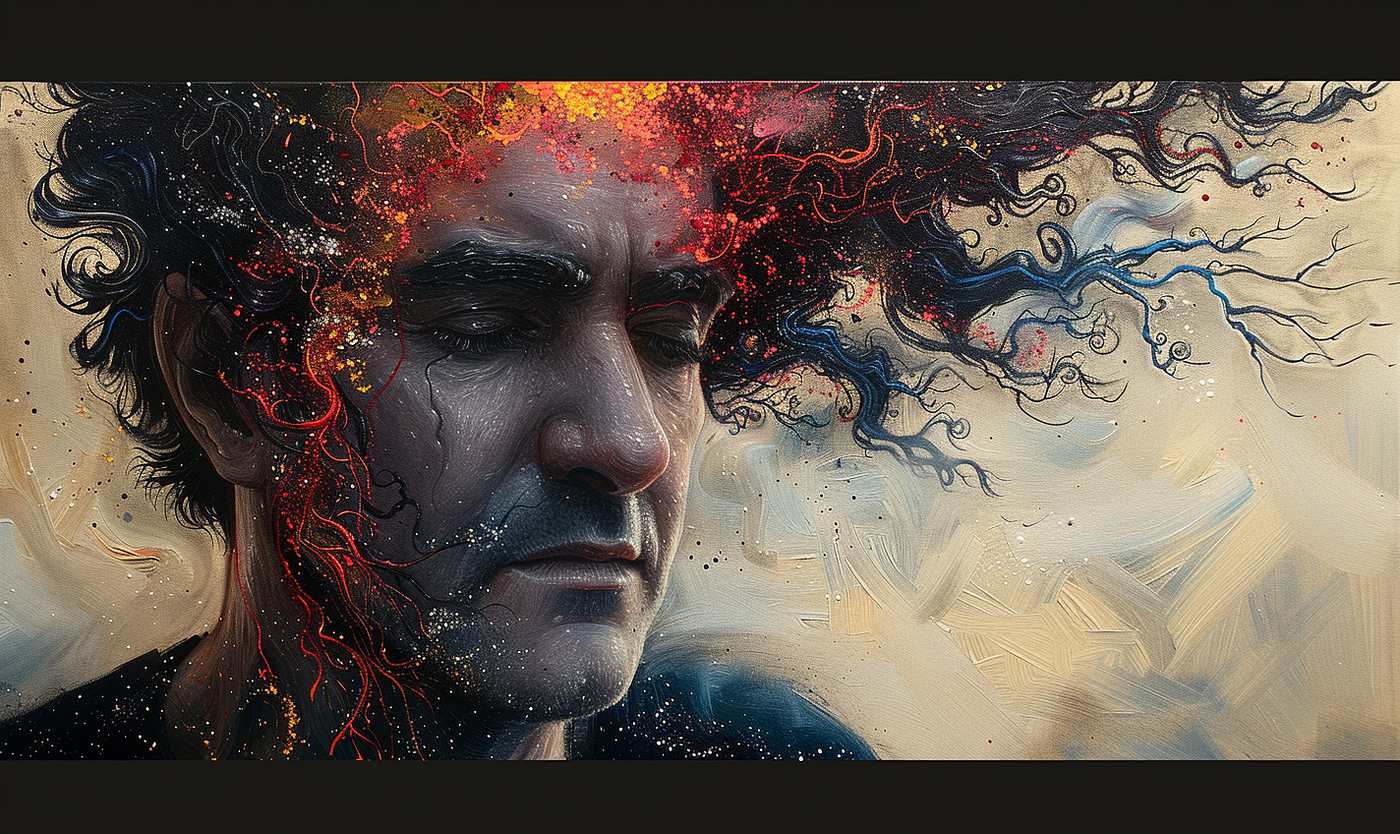
And the good news is, a lot of the self-evaluation and learning I did in that period was valuable. And I’m good — I’m healthy. I have fairly low blood pressure, even lower now that I’m on preventative medication to keep it slightly below normal.
While I’m healthy and doing fine, they did take this second dissection much more seriously — because one is an anomaly, and two is a pattern. So I do have a few things I’m not allowed to do: no skydiving, no bungee jumping, no yoga. I see all three of those as bonuses. But also, no skiing, which is pretty devastating as I used to ski a lot. Well, the doctor said I’m allowed to ski, but I’m not allowed to fall. That one hurts. And the worst one is, no lifting anything heavy. That’s the biggest bummer, because as far as I can tell that’s really the only reason women keep men around.
I’ve learned to listen to my body more closely. When something feels off, I don’t brush it aside. I pay attention. While I’ve had to make some adjustments — I’ve gained a deeper understanding of myself, and a greater appreciation for the people in my life.


 Eric Picard